
Pooper Scooper for Dogs: First-Timer’s Backyard Setup
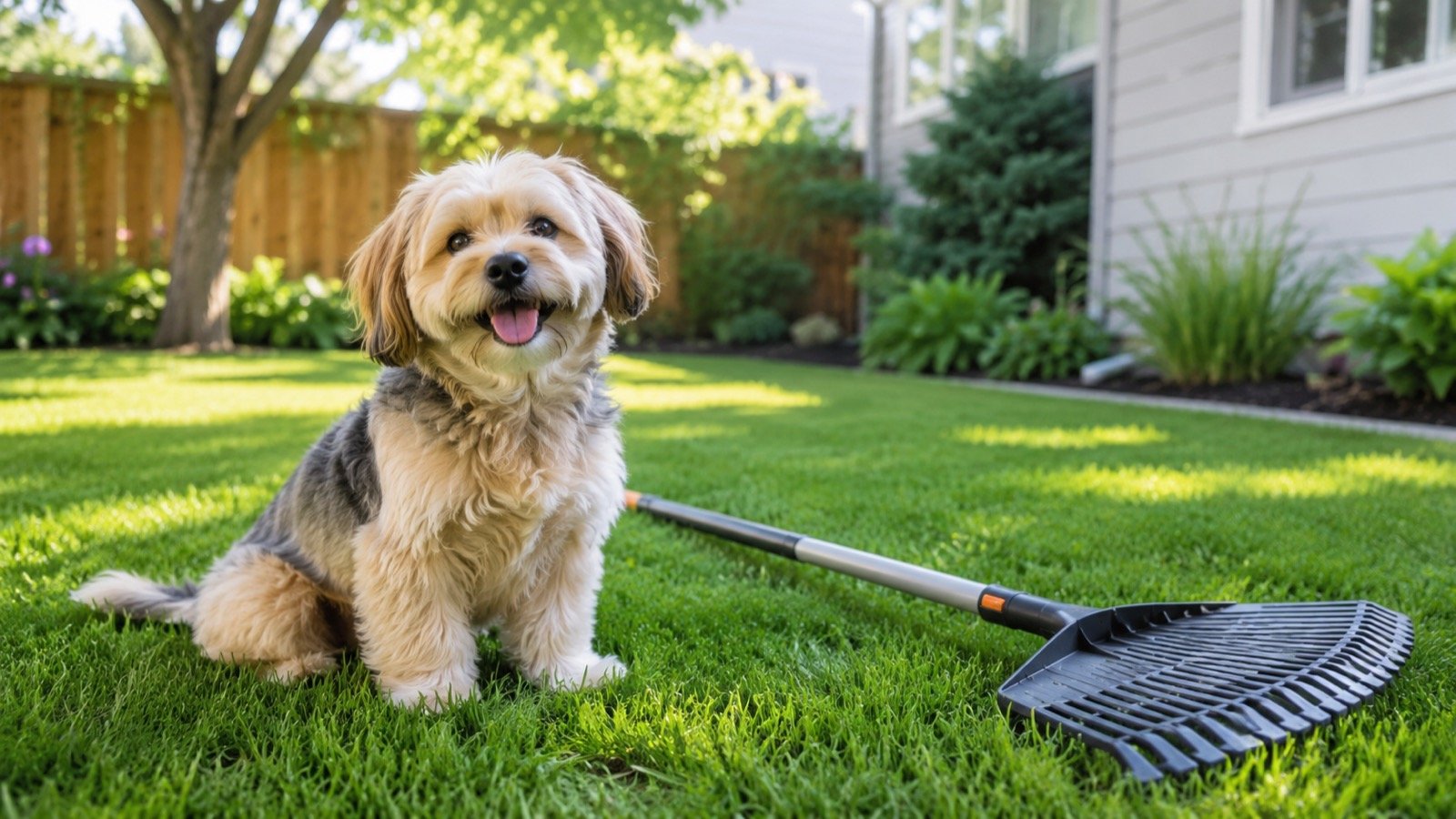
Bringing home a new dog means puppy pads, chew toys, and a surprising amount of waste to manage. If you are a first-time owner, picking the right pooper scooper for dogs is the single upgrade that saves your back and your sanity. This guide skips the fluff and shows you how to build a simple, no-fuss backyard cleanup station that actually gets used.
Most new owners start by grabbing a plastic bag and bending over. Within a week their knees complain and the yard starts to smell. A proper tool and a five-minute system fix both problems for good, and the whole setup costs less than one vet visit.
Why a Dedicated Pooper Scooper for Dogs Beats Bags Alone
Plastic bags work for walks, but they are miserable for home cleanup. You feel every lump, you have to crouch, and one thin bag often is not enough. A dedicated scooper keeps your hands an arm’s length from waste and lets you clear the whole yard standing upright.
There is a hygiene reason too. Reaching into grass by hand risks contact with bacteria and parasite eggs that survive in soil for weeks. A long-handled tool removes that risk entirely while making the job faster.
The Three Pieces of a Good Setup
You do not need a shed full of gear. A reliable station has just three parts, and each one earns its place through daily use rather than novelty.
- A long-handled scooper so you never bend or kneel in wet grass.
- A lidded waste bin placed near the back door for quick drop-offs.
- Strong tie-off bags that seal odour until collection day.
Choosing the Right Tool for Your Breed and Yard
Breed size drives your choice more than anything else. A toy breed produces little, so a compact jaw works fine. A retriever or shepherd needs a wider opening and a firm clamp that lifts in one pass instead of three frustrating tries.
Your ground surface matters just as much. The table below maps common yard types to the scooper style that performs best, based on hands-on testing across different terrains.
| Yard Surface | Recommended Style | Why It Works |
|---|---|---|
| Thick grass lawn | Metal jaw, wide opening | Lifts cleanly without dragging soil |
| Gravel or stones | Precision metal jaw | Separates waste from loose material |
| Concrete patio | Any jaw or tray | Flat surface forgives most designs |
| Mixed terrain | Long-handled jaw | Versatile across every zone |
For a tool that handles every surface in one device, many first-time owners settle on a Best pooper scooper with a metal jaw and a comfortable grip that works one-handed.
How Do You Build a Daily Cleanup Habit?
The secret to a clean yard is not a fancy tool, it is consistency. Waste left for days hardens, smells, and kills grass in patches. A sixty-second daily sweep prevents all of that and keeps the task trivial.
Tie the habit to something you already do, such as the morning coffee or the dog’s first walk. Behavioural research consistently shows that anchoring a new routine to an existing one makes it stick far faster than willpower alone.
- Pick a fixed time, ideally right after the dog’s morning relief.
- Walk a consistent path across the yard so you miss nothing.
- Scoop straight into a bag inside your lidded bin.
- Rinse the metal head and leave it to dry by the door.
A dependable, quick-reach Pooper scooper stored right by the back door removes the biggest barrier to daily cleanup, which is simply having to go find the thing.
The Health Stakes of Skipping Cleanup
This is not just about aesthetics. Dog waste harbours pathogens that endanger pets and people, particularly young children who play on the ground. The Centers for Disease Control and Prevention documents how parasites such as roundworms and hookworms pass from waste to humans.
Left in the yard, waste also fuels fly populations and leaches into stormwater. Prompt removal protects your household, your neighbours, and the local waterways all at once. It is a small daily effort with an outsized payoff.
Disposing of Waste the Right Way
Bag it, tie it, and bin it. Do not add dog waste to your compost or flower beds, because the pathogens survive ordinary composting and can contaminate edible plants. A dedicated pet-waste bin keeps the garden safe.
Buying From the Right Source
New owners are easy targets for cheap, unbranded gear that fails fast. Buy from specialists who publish materials, warranties, and replacement parts rather than anonymous sellers. When vetting any vendor, lean on reviews from trusted professionals and real customers before you commit.
A tool you use every day in all weather is worth a few extra rupees for metal over plastic. The 2026 market is full of lookalikes, so judge by construction and support, not by the lowest sticker price.
Frequently Asked Questions
What size pooper scooper for dogs should a first-time owner buy?
Match the jaw width to your dog’s size, and when in doubt, go slightly larger. A wider opening handles big breeds and still works fine for small ones, giving you room to grow.
How often should I clean my backyard?
Daily is best. A quick once-a-day sweep stops odour, protects your grass, and keeps parasites from building up in the soil where children and pets play.
Is it safe to leave dog waste on the lawn to break down?
No. Dog waste is not fertiliser; it spreads bacteria and parasites and burns grass. Always remove it promptly and dispose of it in a sealed bag in the bin.
Can one scooper handle both grass and gravel?
Yes, if you choose a well-made metal jaw. Quality jaws separate waste from loose stones and lift cleanly from grass, making them the most versatile choice for mixed yards.
The Bottom Line
The right pooper scooper for dogs transforms new-owner overwhelm into a painless daily habit. Pick a metal jaw sized for your breed, keep a lidded bin and strong bags by the door, and sweep the yard once a day at a fixed time. Buy from a trusted specialist, dispose of waste safely, and your backyard stays clean, healthy, and odour-free from your puppy’s first week onward. Set it up today and thank yourself all year.